

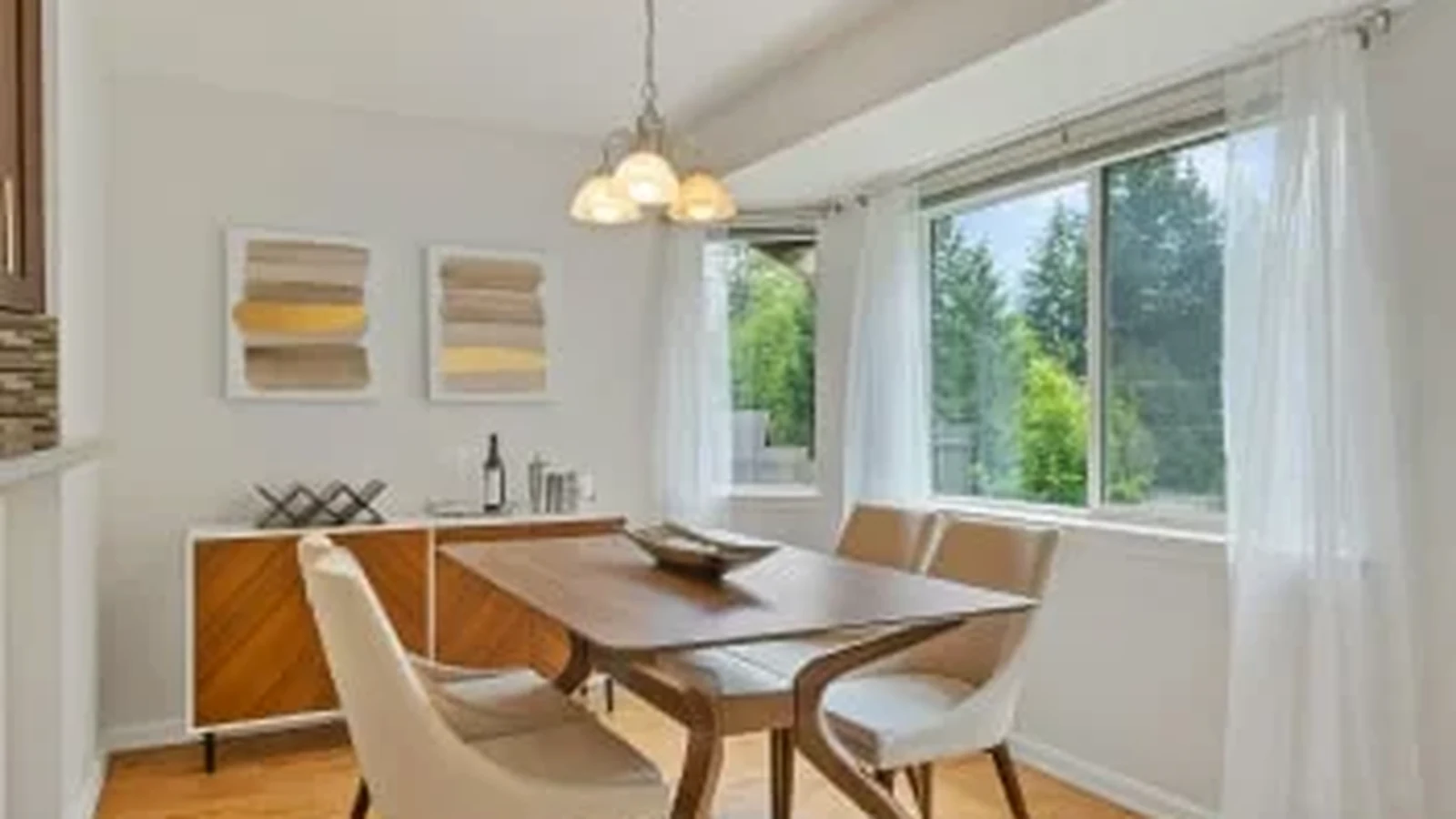
Preparing a luxury home for sale should begin before photography and before the first showing. The strongest launches are usually the result of a coordinated plan that addresses condition, presentation, positioning, access, and the story buyers will experience online and in person.
1. Clarify the positioning before making changes
Start by identifying the likely buyer, the property’s strongest differentiators, and the objections that may come up during showings. This helps prioritize preparation. Not every improvement produces the same value, and unnecessary work can delay the launch without improving the buyer experience.
2. Complete a property-preparation walkthrough
Review the home as a buyer would. Look at the arrival experience, exterior condition, lighting, hardware, walls, flooring, windows, landscaping, storage, and areas that feel unfinished. Create one prioritized list rather than handling items randomly.
3. Decide what should be repaired, refreshed, or left alone
Some homes benefit from paint, minor repairs, updated fixtures, landscape cleanup, or professional cleaning. Others may be better positioned without a major renovation. The decision should be based on the specific property, competition, expected buyer, timing, and budget.
4. Stage for proportion and flow
Luxury staging is not about filling rooms with furniture. It is about making scale, circulation, light, and key features easy to understand. Remove visual distractions, edit accessories, and make sure each room has a clear purpose.
5. Plan photography and video around the property
Marketing should show more than individual rooms. Strong photography communicates architecture and detail; video can communicate movement, setting, light, and the relationship between spaces. Lisa’s Signal House approach uses editorial presentation to help buyers understand how a property feels.
6. Prepare the online listing carefully
Accuracy matters. Verify room information, property features, inclusions, exclusions, association details, and other listing information. The description should focus on meaningful benefits rather than generic adjectives.
7. Make showings easy to manage
Determine access procedures, preferred showing windows, notice requirements, pet arrangements, and how the home will be reset between appointments. A smooth process helps protect the presentation quality.
8. Create a feedback and adjustment plan
Once the property is live, evaluate buyer activity, showing feedback, competitive changes, and offer quality. The goal is not to react emotionally to every comment; it is to identify patterns that may justify an adjustment.
Working with Lisa
Lisa’s Compass profile emphasizes full-service coordination around property preparation, staging, inspections, contractors, and closing—particularly for clients who may be managing the process from another location. Learn more about her approach.
Frequently asked questions
Should every luxury home be professionally staged?
No. The right approach depends on the home, existing furnishings, condition, target buyer, and marketing plan. Some homes need full staging; others benefit from editing and selective improvements.
When should marketing preparation begin?
Ideally, planning begins before a launch date is fixed. That allows time for repairs, styling, media, documents, and a coordinated market entry.
Thinking about selling? Contact Lisa to build a property-specific preparation plan.